3 Steps for an Effective API Testing Process

The demand for APIs has skyrocketed over the last five years, with some platforms reporting API requests jumping from less than half a million in 2016 to over 46 million as of January 2021... an increase of over 9,100%. And perhaps predictably, the rise in the number of attacks targeting these APIs has increased at a similar rate, with IBM reporting that two-thirds of all cloud breaches can be traced back to misconfigured APIs.
With such rapid growth in API adoption, it's easy to see how so many organizations could overlook proper testing. Still, with an average cost of a data breach equating to millions of dollars - iron-clad testing processes cannot be ignored anymore.
In this article, we're going to look at a 3-step testing process that will enable your business to create an effective, resilient, and most importantly, secure API.
What is API Testing?
API testing is the process of analyzing an API to verify its functionality, integrity, and security.
The primary goal of API testing is to tackle any bugs and vulnerabilities that may expose the API to cyber threats and malfunctions, ensuring a safe and user-friendly environment for the end-user.
How to Conduct API Testing
Historically, testing the API started after the development team finished working on the code and prepared to deploy the API to the market.
However, this approach consistently led to costly last-minute changes as bugs get more expensive to fix with each completed milestone. These high costs left teams to decide whether to delay the launch to improve and secure their APIs or push to the market and hope for the best, and we already discussed how that turned out.
Recently, there has been a movement for "shift-left testing," a concept that promotes continuous testing as early as possible in the software development cycle. By allowing teams to take more time during each phase of the development process, a shift-left mindset enables developers to identify bugs and vulnerabilities that could result in serious issues if left unresolved.
With the shift-left framework in mind, proper API testing begins with looking at all of the core aspects of an API that needs to be addressed and baking the necessary time into each step to run the required steps.
Let's take a look at the three steps required to build and execute a comprehensive testing strategy:
Step 1: Understand the Types of API Testing
1. Functional Testing
Functional testing analyzes how the entire system operates with tests looking at everything from the fundamental capabilities required even to use the API, all the way to how well the API holds up when put in the hands of actual end-users.
Functional tests look at how each element of your API works in isolation and how they work together, helping you identify major user-facing issues before the product makes it to the market.
Some of the most common types of functional testing include:
- Smoke testing verifies critical functionalities - for instance, whether the application starts correctly.
- Sanity and regression testing ensure build stability after each release or update to troubleshoot bugs or add new functionality.
- Integration testing explores how well various functional modules work well together to uncover any compatibility issues.
- Usability testing examines how a small sample of real users interact with the API and uncovers any issues that the development team may not have predicted.
When to start functional testing:
Functional testing needs to begin immediately and run consistently throughout the build, deployment, and beyond. Ensuring core functionality remains intact, along with a positive user experience, is critical to the widespread adoption of any API.
2. Performance Testing
At this point, you have an app that works and has even withstood an initial barrage of real-life user testing - but if you're like most companies - you intend for the usage of your API to extend to a much wider audience after a widely successful launch.
In comes the second type of API testing: load and performance testing.
Performance testing analyzes the capability of your API to withstand the massive amounts of stress that result from thousands, or tens of thousands, of requests per minute or hour based on your projected requirements.
Comprehensive and consistent load and performance testing can identify any issues that need to be resolved and help set benchmarks for performance data that can be useful when allocating resources in the future.
Some of the most common types of performance testing include:
- Load and stress testing to analyze the functionality of an API while it processes various levels of traffic - from normal usage to massive spikes to identify breaking points.
- Volume and capacity testing measure the performance of the API to provide deeper insights into how many requests the system can process while maintaining high-performance levels.
- Reliability testing analyzes how long it takes for the system to recover after an incident - and its capacity to recover independently without development resources.
When to start performance testing:
Typically, performance testing begins in the initial design phases to test the API's functional elements - but should become more consistent after the core functional testing is complete and the API is ready to scale.
3. Security Testing
Now your API works, and it works at scale... for far too many, they see this as the green light to unleash their API to the masses, but there is one more aspect of your API that needs to be addressed: security testing.
We have already discussed why API security testing is arguably the most critical phase of the testing process. There is no shortage of companies that can attest to why this is true. API security has become such a widespread concern that OWASP created a dedicated annual Top 10 API Security Threats list to help developers combat the everchanging landscape of cyberattacks.
API security testing falls into two categories: manual and automated testing.
Manual security testing is still the industry norm, despite the severe limitations that prevent it from being a complete, one-size-fits-all solution to application security such as:
- Challenges testing all permutations of each API endpoint
- Dependency on the skill level of the developer or penetration tester running the test
- Difficulty in implementing manual tests at scale
On the other hand, automated testing provides a comprehensive toolset to continuously check your API for vulnerabilities while eliminating human error. The main problem with automated API security testing is that it hasn't been widely available until recently.
Some of the most common types of API security testing include:
- Penetration testing uncovers loopholes that hackers can exploit to compromise the system's integrity, especially for known vulnerabilities using widely accepted industry guidelines set out by OWASP.
- Vulnerability scans that analyze security loopholes and business logic flaws that are often overlooked, despite being more susceptible to security vulnerabilities and the main target for hackers nowadays.
When to start API security testing:
With the ability to automate API security testing, it should be implemented as early as possible to ensure that your API is safe throughout every stage of the build. After all, attacks are possible before an API is even deployed to the public - so keeping your data secure from day one should be a top priority.
Sign up for a free vulnerability scan today to comprehensively test your entire API for any vulnerabilities and receive a detailed report to help you protect yourself from cyberattacks.
Step 2: Select the Right Tool for the Job
Selecting the right tools can be a challenge, with so many new platforms entering the market every year based on what types of testing you are focused on running.
Whether you prefer the newest, most expensive tools or the most widely adopted industry-standard - it's essential to do your due diligence to find the tool that is the best fit for your needs.
Here are some of our favorite tools for various types of API testing.
Zap
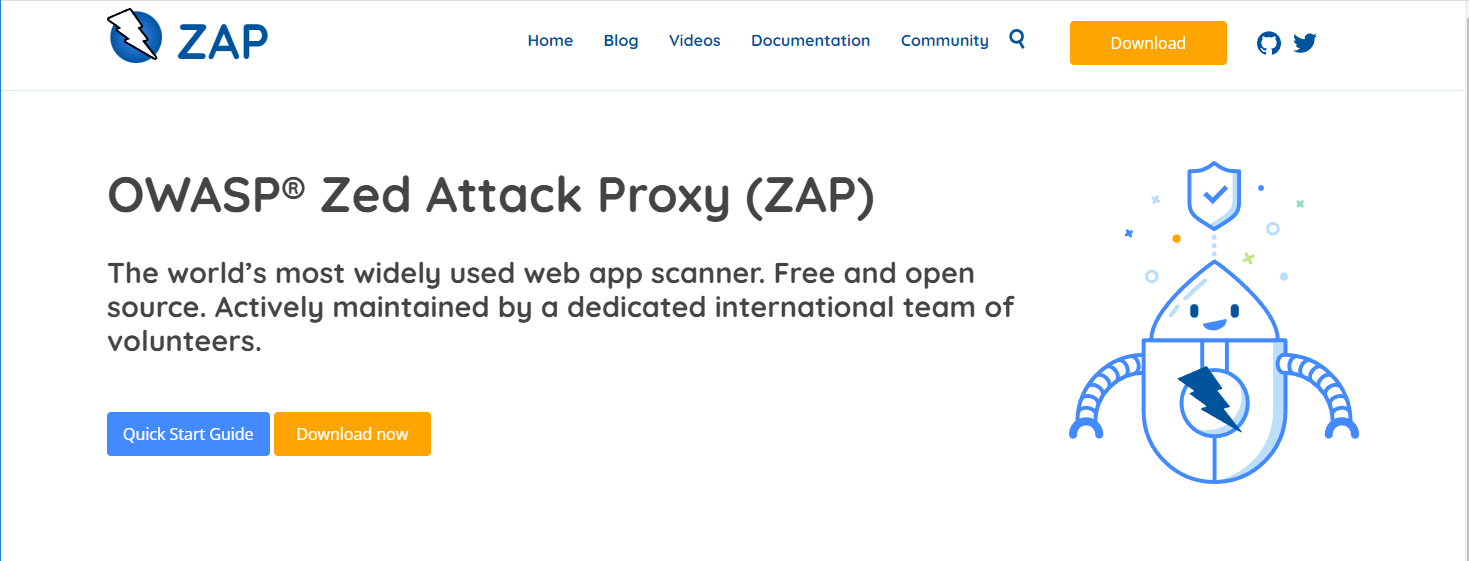
Zap is the most widely used free web app scanner tool that provides a comprehensive suite of tools that allow you to run tests on your API throughout every phase of your dev process.
But what sets Zap apart is the fact that the platform is completely free and actively maintained by a dedicated team of volunteers around the globe.
Postman
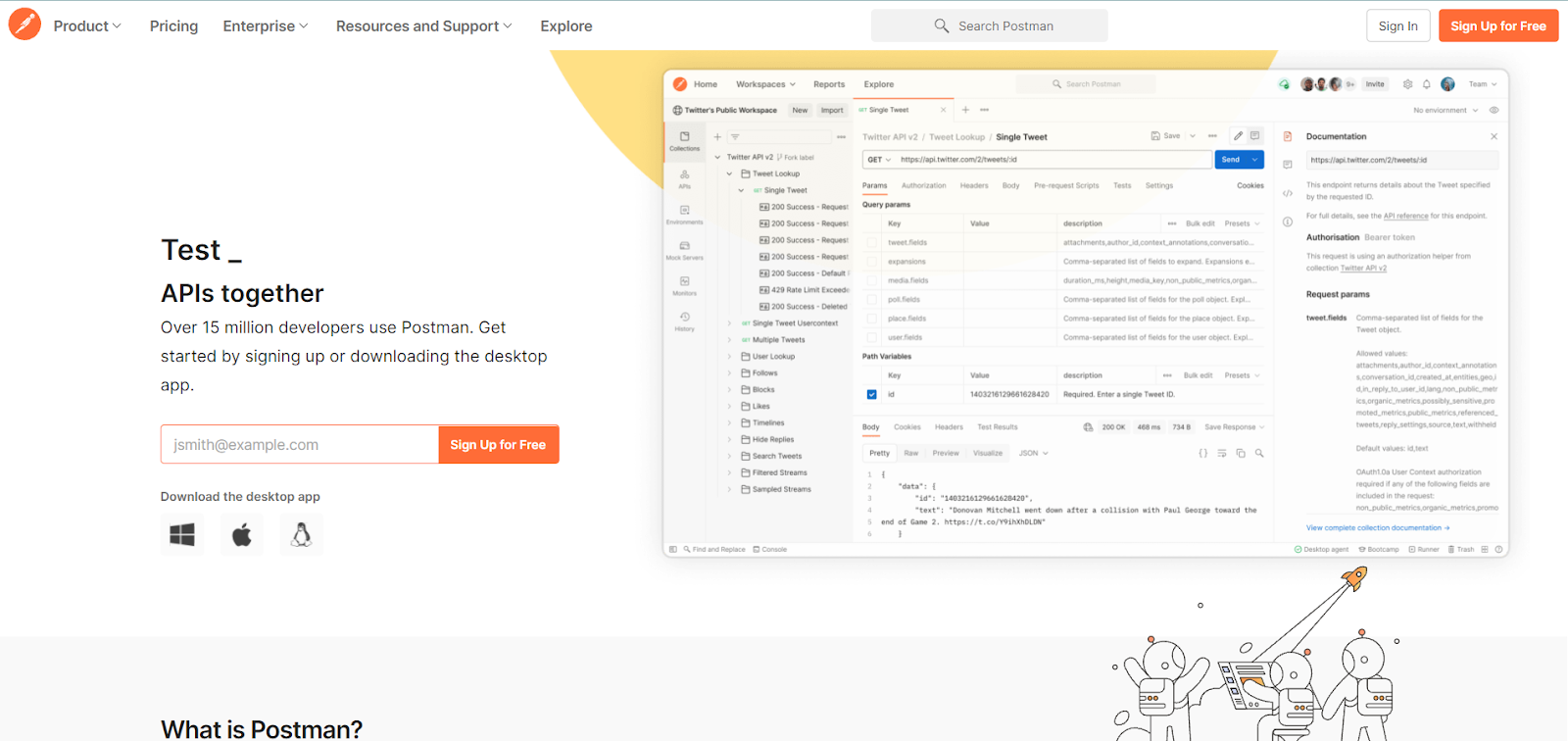
Similar to Zap, Postman also included a full suite of tools that allow you to run various tests on your API. Mostly used for REST, Postman is known for an incredibly user-friendly interface that enables developers to build and execute tests quickly.
Though Postman does have a free version, you will have to purchase their paid plan to gain access to all of the features their platform has to offer.
BurpSuite Community Edition (CE)
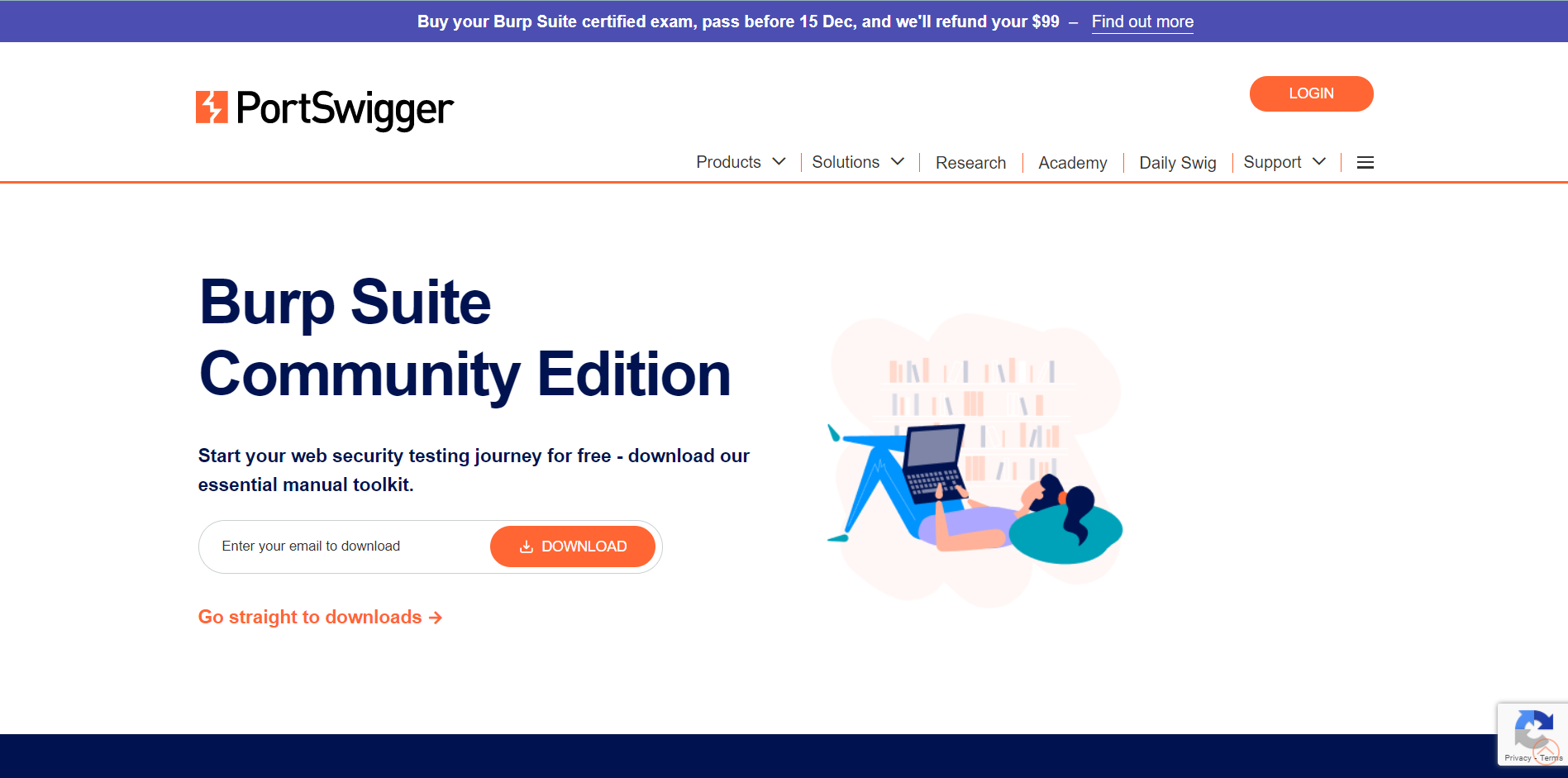
BurpSuite Community Edition (CE) is one of the most popular penetration testing and vulnerability scanning tool that helps developer teams improve API security.
BurpSuite allows its users to set up a series of automated recurring security checks for continuous testing while providing expert-designed manual and semi-automated tools to tackle more complex issues.
SoapUI
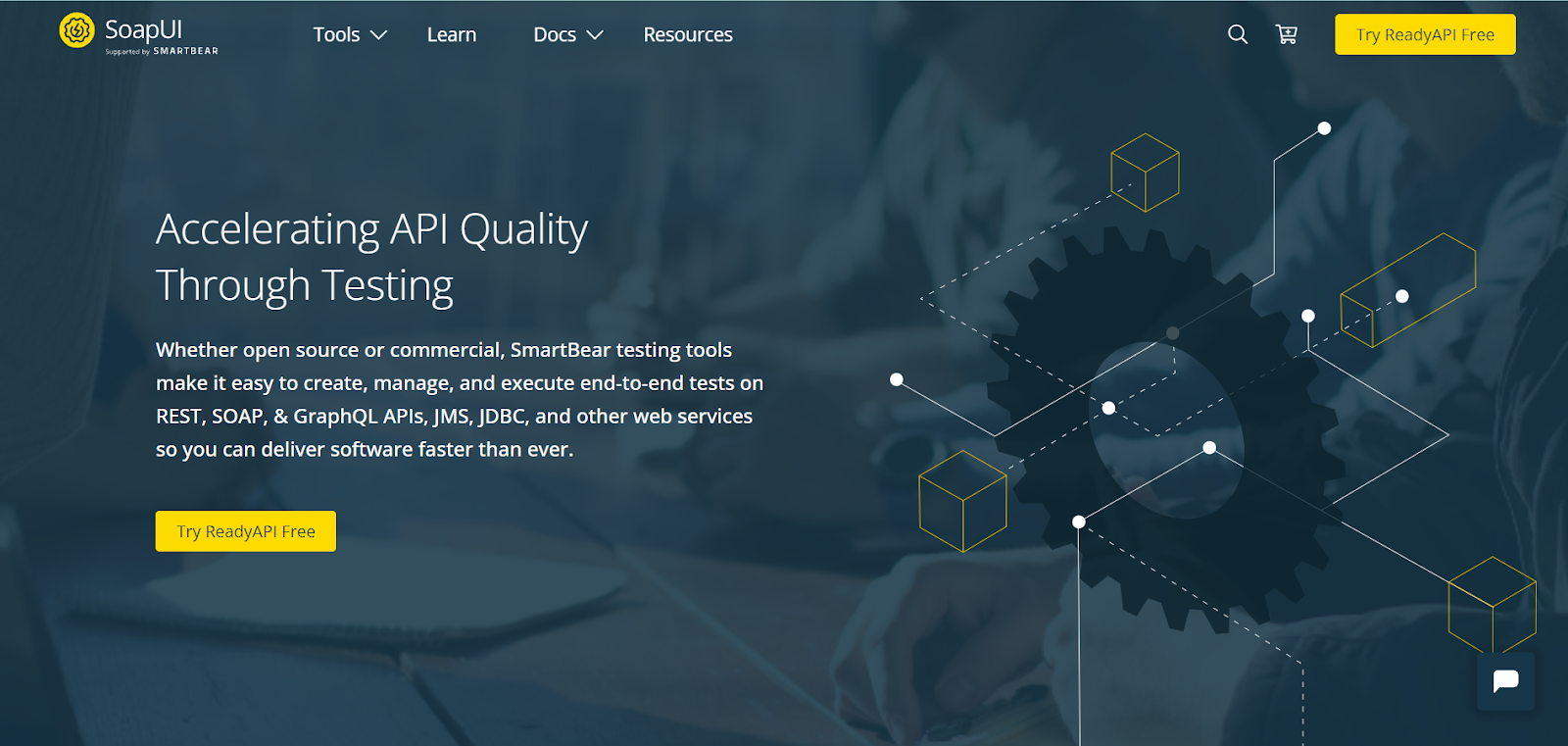
SoapUI is an open-source API testing tool developers can use to analyze and debug their APIs for almost every type of API, including REST, SOAP, GraphQL, and more.
SOAP UI leans in on simplicity, highlighting the ability for developers to perform exploratory tests without any prior preparation efficiently.
APIsec
APIsec brings automation to your API security testing process, leveraging the power of AI and the expertise of seasoned cybersecurity experts to help companies seamlessly scale their APIs without compromising security.
APIsec provides detailed coverage reports that allow teams to resolve potential vulnerabilities quickly while also minimizing downtime.
As opposed to manual testing tools, APIsec is a fully automated platform that leverages the power of AI and the expertise of seasoned cybersecurity experts to help companies seamlessly scale their APIs without compromising security.
Bugcrowd
Bugcrowd is a cyber security platform and marketplace, providing an environment where professional hackers can try to find bugs and exploits in your company's IT systems, including APIs.
With the help of Bugcrowd, you can have multiple security experts working on the same layer of vulnerabilities, providing you with additional insights.
Their key differentiator is that you can pay some of the world’s best hackers to go in and find vulnerabilities in your API that most API testing tools can’t identify.
Step 3: Execute the API Test
Once you have your testing environment defined and the right tools in place, execution becomes an ongoing, security-first process rather than a one-time testing event. Modern API testing requires validating functionality, performance, and security continuously as APIs evolve, new endpoints are introduced, and integrations change.
Executing API tests at scale means moving beyond isolated checks and adopting a structured methodology that ensures complete visibility, risk-based prioritization, and consistent coverage across the entire API lifecycle. This is where a comprehensive API security testing methodology becomes essential.
Building a Comprehensive API Security Testing Methodology
While the three-step process above provides a solid foundation, modern API testing strategies require a more comprehensive framework to address the evolving threat landscape. Organizations handling sensitive data or operating at scale need a structured API security testing methodology that extends beyond basic functional and performance validation.
Phase 1: Discovery and Inventory
Before testing can begin, you must know what exists. API discovery identifies all endpoints across your infrastructure, including those your team may have forgotten.
Key Activities:
- Automated Discovery: Use traffic analysis and schema parsing to identify active endpoints across environments.
- Documentation Review: Cross-reference OpenAPI/Swagger specifications with actual deployed endpoints.
- Shadow API Detection: Identify undocumented, deprecated, or rogue endpoints that bypass security controls.
- Third-Party Mapping: Catalog all external API dependencies and integration points.
Deliverables: Complete API inventory with endpoint URLs, methods, authentication requirements, and data classifications.
Phase 2: Threat Modeling and Risk Assessment
Effective api testing strategies prioritize efforts based on risk rather than testing everything equally. Threat modeling identifies which endpoints pose the greatest security risk.
Key Activities:
- Data Flow Analysis: Map how sensitive data moves through API calls and identify exposure points.
- Attack Surface Evaluation: Assess each endpoint for potential attack vectors based on functionality.
- Business Impact Assessment: Determine which API failures would cause the most significant operational or financial damage.
- Compliance Mapping: Identify endpoints subject to regulatory requirements like PCI DSS, HIPAA, or GDPR.
Risk Prioritization Matrix:
Phase 3: Authentication and Authorization Testing
Authentication and authorization flaws represent the most exploited API vulnerabilities. This phase validates that identity controls function correctly across all scenarios.
Authentication Testing:
- Token generation, validation, and expiration handling
- Multi-factor authentication implementation
- Session management and logout functionality
- Password reset and account recovery flows
- OAuth 2.0 and JWT implementation correctness
Authorization Testing:
- Broken Object Level Authorization (BOLA) across all endpoints
- Broken Function Level Authorization (BFLA) for administrative functions
- Horizontal privilege escalation between users of equal access levels
- Vertical privilege escalation from standard users to administrators
- Role-based access control (RBAC) boundary validation
Testing Approach: Create multiple test accounts with different permission levels. Systematically attempt to access resources belonging to other users or perform actions beyond assigned privileges.
Phase 4: Input Validation and Injection Testing
APIs accepting user input require rigorous validation testing to prevent injection attacks and data corruption.
Injection Vectors to Test:
- SQL injection through JSON parameters, headers, and path variables
- NoSQL injection for MongoDB, Cassandra, and similar databases
- Command injection through parameters passed to system calls
- LDAP injection for directory service integrations
- XML External Entity (XXE) attacks for SOAP and XML-based APIs
Input Validation Checks:
- Type coercion and boundary testing for numeric fields
- String length limits and special character handling
- File upload validation for APIs accepting binary data
- Parameter pollution through duplicate parameters
- Mass assignment vulnerabilities exposing internal fields
Phase 5: Business Logic Testing
A thorough api security testing methodology must address business logic flaws that automated scanners typically miss. These vulnerabilities exploit legitimate functionality rather than technical weaknesses.
Common Business Logic Flaws:
- Workflow Bypass: Skipping required steps in multi-stage processes like checkout or verification flows.
- Race Conditions: Exploiting timing windows to duplicate transactions or bypass limits.
- Price Manipulation: Modifying amount or quantity parameters to alter transaction values.
- Limit Circumvention: Bypassing rate limits, transaction caps, or usage quotas through parameter manipulation.
- State Manipulation: Forcing invalid state transitions that reveal data or enable unauthorized actions.
Testing Methodology:
- Map all business workflows and their expected sequences
- Identify each decision point and validation checkpoint
- Attempt to bypass, reorder, or repeat steps
- Test boundary conditions with unexpected values
- Simulate concurrent requests to expose race conditions
Phase 6: Data Exposure Analysis
APIs frequently return more data than necessary, creating opportunities for sensitive information disclosure.
Testing Focus Areas:
- Response Analysis: Examine all API responses for unnecessary data fields containing sensitive information.
- Error Message Review: Verify error responses don't leak internal details, stack traces, or database information.
- Verbose Logging: Ensure debug or development modes are disabled in production.
- Metadata Exposure: Check for internal identifiers, timestamps, or system information in responses.
Sensitive Data Categories:
- Personal Identifiable Information (PII)
- Financial data and payment credentials
- Authentication tokens and session identifiers
- Internal system identifiers and database keys
- Infrastructure details and version information
Phase 7: Rate Limiting and Resource Testing
APIs without proper resource controls are vulnerable to abuse, denial of service, and brute force attacks.
Rate Limiting Validation:
- Verify limits exist for authentication endpoints to prevent credential stuffing
- Test rate limits across different user tiers and API keys
- Confirm limits apply per user, IP, and globally as appropriate
- Attempt bypass through header manipulation or distributed requests
Resource Exhaustion Testing:
- Large payload submissions to test input size limits
- Deeply nested JSON or GraphQL queries for complexity attacks
- Concurrent connection limits and timeout handling
- Memory and CPU consumption under sustained load
Phase 8: Continuous Security Integration
Modern api testing strategies integrate security validation into every stage of the development lifecycle rather than treating it as a final checkpoint.
CI/CD Integration Points:
Automation Requirements:
- API security tests execute automatically with every code change
- Failed security tests block deployment to production
- Test results integrate with ticketing systems for remediation tracking
- Dashboards provide visibility into security posture trends
Phase 9: Remediation Verification and Regression Testing
Fixing vulnerabilities means nothing if fixes don't hold. This phase ensures remediation efforts succeed and don't introduce new issues.
Verification Process:
- Confirm the original vulnerability no longer exists through targeted retesting.
- Validatethat the fix doesn't break legitimate functionality
- Test for related vulnerabilities that the fix might have missed
- Add the vulnerability pattern to automated regression test suites
- Document the fix for knowledge sharing across development teams
Regression Testing Approach:
Maintain a growing library of test cases for every vulnerability discovered. Execute this library against every release to ensure previously fixed issues don't reappear as code evolves.
Implementing Your API Security Testing Methodology
Adopting a comprehensive api security testing methodology requires cultural and process changes beyond simply deploying new tools.
Getting Started:
- Assess Current State: Evaluate existing testing practices against this framework to identify gaps.
- Prioritize by Risk: Begin with authentication, authorization, and business logic testing for critical APIs.
- Automate Incrementally: Start with automated discovery and basic security scans, then expand coverage.
- Build Expertise: Train development teams on API-specific vulnerabilities and secure coding practices.
- Measure Progress: Track metrics like vulnerability discovery rate, mean time to remediation, and test coverage.
Organizations that implement structured api testing strategies catch vulnerabilities before attackers exploit them, reduce remediation costs, and build customer trust through demonstrated security commitment.
Conclusion
And there you have it! With everything from the smallest detail to the most complex user behaviors tested against functional, performance, and security benchmarks - you will have a fully operational and safe API that is ready to scale.
If you are looking for an effective tool to test your API's security, APIsec offers an automated API security testing solution that your team can utilize at every stage of the development process. If you want to schedule a free vulnerability scan or talk to our team to get a consultation, get in touch with us today to keep your API safe.
FAQs
1. What is an API testing strategy?
An API testing strategy defines how, when, and what to test across endpoints covering functional, performance, and security testing throughout the development lifecycle.
2. How often should APIs be security tested?
Continuous testing with every code change is ideal; an effective API testing strategy integrates automated scans into daily builds rather than relying on periodic manual reviews.
3. How does API testing fit into CI/CD?
Modern API testing strategy embeds automated security scans directly into CI/CD pipelines, catching vulnerabilities before deployment without slowing release cycles.